Top 5 compared
The best bike computers
How fast, how far and how long, right there on the handlebars, without reaching for the phone in your pocket.
38 checked · 5 made the cut

As an Amazon Associate we earn from qualifying purchases. It costs you nothing extra. How this works
The top 5 at a glance
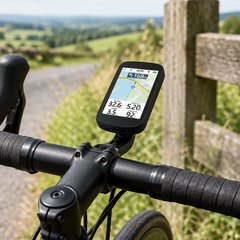
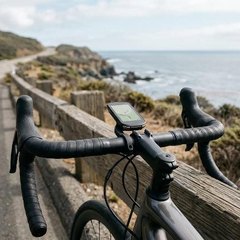
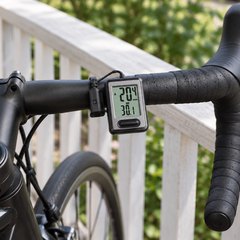
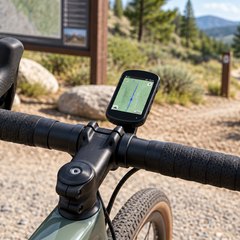
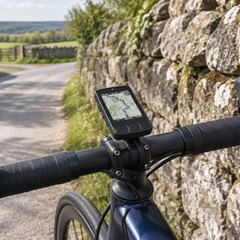
A bike computer sits on the stem or out in front of the bars and shows speed, distance and time at a glance. The simplest are wired: a magnet on the wheel passes a sensor, and a coin battery runs them for years. GPS computers record every ride for Strava or a training app; the mapping ones add color maps and turn-by-turn directions, at a higher price.
Battery figures are the makers’ own and fall with a bright screen, maps and sensors in use, so treat them as a best case. Routes are planned in the maker’s app or pulled in from Strava or Komoot and sent to the computer before the ride, and most GPS models come with an out-front mount and a stem mount.
What matters
- Buttons as well as a touchscreen, for rain and winter gloves.
- Multi-band GPS, which holds its fix under trees and downtown.
- ANT+ and Bluetooth, to match the sensors already owned.
- Turns called by a speaker or LEDs, so eyes stay up.
#1iGPSPORT BSC500
$100–$150
- Speaker calls the turns
- Dual-band GPS, five satellite systems
- 25-hour battery life
- No out-front mount in box
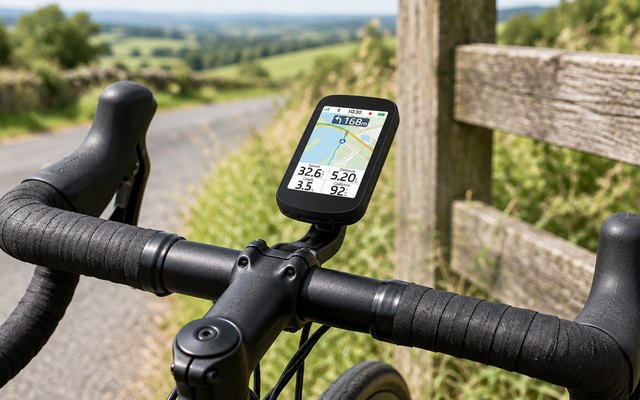
A 3.3in color touchscreen, with buttons for wet gloves, dual-band GPS across five satellite systems, and maps that warn of a turn earlier the faster you ride and plan a way back when you miss one. A built-in speaker calls the turns, so the eyes stay on the road, and it pairs with sensors over ANT+ and Bluetooth.
What owners say: Owners say it does nearly everything a Garmin does, pairs with a phone without fuss and sends rides to Strava, with a bright screen that stays readable in full sun and battery life they call excellent; several single out how much of the display can be customized.
A closer look: Plan the route in the iGPSPORT app, or pull one in from Strava or Komoot, and send it to the computer before setting off; the climb page then shows how long and steep each hill will be. It mounts on the stem with the rubber pad and bands in the box, and a ride cut short can be picked up where it stopped.
Best for: Turn alerts timed to speed
- Screen
- 3.3in color touch
- Maps and turn-by-turn
- Yes
- Battery (maker)
- 25 hrs (35 in saver)
- Sensors
- ANT+ and Bluetooth
- Waterproof
- IPX7
- Weight
- 3.8 oz
#2Garmin Edge 1050
Over $300
- Built-in speaker and bike bell
- Large 3.5in color touchscreen
- 60 hours in battery saver
- Heavy at 5.7 oz
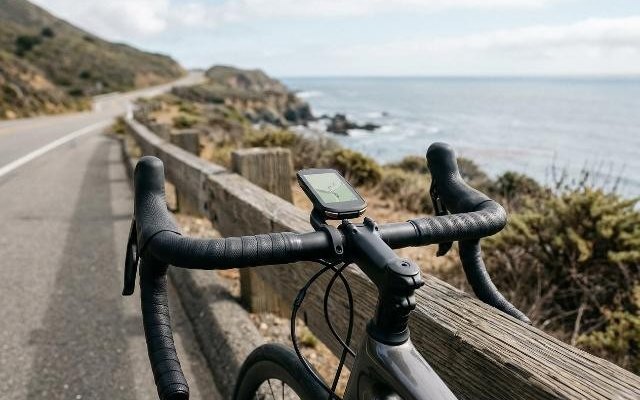
Garmin’s flagship has a big, bright 3.5in color touchscreen, maps that show the road surface and let you plan a route on the device itself, and up to 20 hours of battery in demanding use, or 60 in battery saver. A built-in speaker reads out prompts and doubles as a loud bike bell.
What owners say: Owners single out the bright screen and the battery life, and like how much it does, from mapping Shimano Di2 buttons to its functions to pairing with Garmin’s Varia radar; a few find the menus hard to learn, and some balk at the price.
A closer look: A flush out-front mount and a standard mount both come in the box, so it can sit ahead of the bars or on the stem. Plan routes on the touchscreen or in the Garmin Connect app and let the speaker call the turns; battery saver stretches a charge across a multi-day trip.
Best for: Route planning without a phone
- Screen
- 3.5in color touch
- Maps and turn-by-turn
- Yes
- Battery (maker)
- 20 hrs (60 in saver)
- Sensors
- ANT+ and Bluetooth
- Waterproof
- IPX7
- Weight
- 5.7 oz
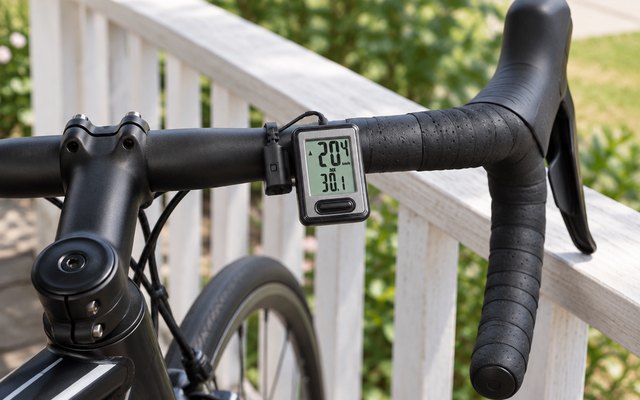
#3CatEye Velo 7 Wired Bike Computer
$20–$30
- Light at 1.1 oz
- Coin battery lasts 3 years
- Two-year warranty
- No GPS, maps or recording
- Wired speed sensor only
No charging and no phone: a wired sensor reads a magnet on the wheel, and the coin battery lasts about three years at an hour’s riding a day. It shows current, average and top speed, trip and total distance, ride time and the clock, and stops the timer by itself at red lights.
What owners say: Owners find it accurate, one matching a GPS watch to within 0.02 miles in every ten, and like the large, clear display in bright sun and the quick install; some found the instructions hard going.
A closer look: Run the wire up the fork leg and zip-tie it clear of the spokes, then line the wheel magnet up with the sensor. Enter the wheel size from the tire’s sidewall during setup (it takes 16 to 26 in and 700C), and speed and distance follow from there; there’s no ride recording, just the numbers on the bars.
Best for: No charging
- Screen
- Small mono LCD
- Maps and turn-by-turn
- No
- Battery (maker)
- About 3 years (coin cell)
- Sensors
- Wired speed sensor
- Waterproof
- IPX8
- Weight
- 1.1 oz
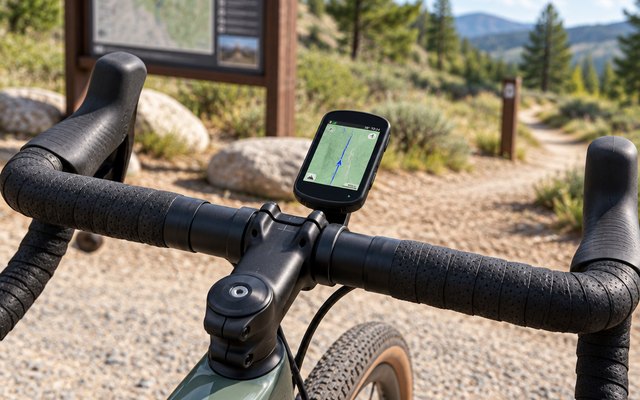
#4Garmin Edge 840
Over $300
- Buttons and touchscreen both
- Multi-band GPS
- 26-hour battery life
A compact computer that works by touch or by buttons, whichever suits the gloves and the weather, with multi-band GPS for a steadier fix under trees and between tall buildings. Paired with a power meter and a heart-rate strap, it suggests daily workouts that adapt to training load and recovery.
What owners say: An easy-to-use step up, owners say, with impressive battery life, quick syncing to Garmin’s phone app and a wealth of ride data; several mention steadier GPS and heart-rate readings than their older units, though some think it’s overpriced.
A closer look: ClimbPro shows how much of a climb is left and how steep it gets on every ride, no planned course needed, which helps with pacing on unfamiliar hills. Out-front and standard mounts come in the box, and the buttons are the easier way in when heavy rain or thick winter gloves make the touchscreen fussy.
Best for: Rating your riding strengths
- Screen
- 2.6in color touch
- Maps and turn-by-turn
- Yes
- Battery (maker)
- 26 hrs (32 in saver)
- Sensors
- ANT+ and Bluetooth
- Waterproof
- IPX7
- Weight
- 3 oz
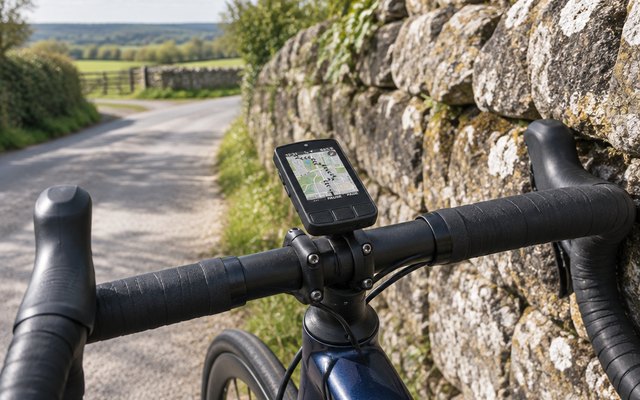
#5Wahoo ELEMNT BOLT 3
Over $300
- Dual-band GPS
- Routes and rides sync automatically
- Shows rear radar on screen
- Settings changed only in app
Wahoo’s mapping computer, for a rider who’d rather not buy a Garmin: a sharp color screen in a sleek, aerodynamic body, dual-band GPS for a steadier fix in tricky spots, and a row of LEDs along the top that light up for each upcoming turn. Wahoo started out in 2009 with a small ANT+ key that let an iPhone read heart-rate and cycling sensors.
What owners say: Dependable and easy to use is the verdict, with praise for the accurate route tracking, the well-placed buttons and how smoothly it works with Wahoo’s app; some had connection trouble, and the screen is smaller than most.
A closer look: Routes planned in Komoot, Strava or Ride with GPS reach it automatically once the accounts are linked in the ELEMNT app, and finished rides upload the same way. Settings are changed in the app rather than on the unit, so set up the data pages at home before the first ride. Charge it the night before a long day out: Wahoo rates it at up to 20 hours.
Best for: LED turn alerts
- Screen
- 2.3in color
- Maps and turn-by-turn
- Yes
- Battery (maker)
- 20 hours
- Sensors
- ANT+ and Bluetooth
- Waterproof
- IPX7
- Weight
- 3 oz
Side by side
How they compare
Swipe sideways or rotate device to see all 5.
| Feature | #1iGPSPORT BSC500 | #2Garmin Edge 1050 | #3CatEye Velo 7 | #4Garmin Edge 840 | #5Wahoo ELEMNT BOLT 3 |
|---|---|---|---|---|---|
| Best overall | Best premium | Best budget | |||
| Picked Rating | 9.3 | 9.1 | 8.8 | 8.7 | 8.5 |
| Price | $100–$150 | Over $300 | $20–$30 | Over $300 | Over $300 |
| Screen | 3.3in color touch | 3.5in color touch | Small mono LCD | 2.6in color touch | 2.3in color |
| Maps and turn-by-turn | Yes | Yes | No | Yes | Yes |
| Battery (maker) | 25 hrs (35 in saver) | 20 hrs (60 in saver) | About 3 years (coin cell) | 26 hrs (32 in saver) | 20 hours |
| Sensors | ANT+ and Bluetooth | ANT+ and Bluetooth | Wired speed sensor | ANT+ and Bluetooth | ANT+ and Bluetooth |
| Waterproof | IPX7 | IPX7 | IPX8 | IPX7 | IPX7 |
| Weight | 3.8 oz | 5.7 oz | 1.1 oz | 3 oz | 3 oz |
| Best for | Turn alerts timed to speed | Route planning without a phone | No charging | Rating your riding strengths | LED turn alerts |
| Buy now | Amazon | Amazon | Amazon | Amazon | Amazon |
How we checked these
How 38 became 5
We found 38 bike computer listings. Two were the same computer listed again or sold in a bundle, and 20 were rated too low and/or had too few ratings to compete. That left 16, which we narrowed down step by step:
- Ratings, reviews and salesFor the 16, we then checked the ratings and reviews further, and how many people buy each one. Owners talked most about how easy they are to use, value for money and the screen, then connecting to phones and sensors, battery life and accuracy. After these checks, we dropped eight more.8 left
- Features weighed upThe eight left were compared on the screen, maps and turn-by-turn directions, battery life, which sensors they pair with, waterproofing and weight. Once everything was weighed up together, we dropped three more. The #1 has every feature you’d expect from a bike computer.5 made the cut
- Value for moneyEvery bike computer here is worth what it costs. A dearer one is only here if it gives you more.
- Safe to buyEvery brand on this list was checked for safety recalls, and none of them has one on record.
Spotted a mistake or something out of date? Tell usBack to top